
What Is Afro House? The 2026 Definitional Guide
Afro house is a subgenre of house music born in South Africa in the early 2000s. It pairs the 4/4 house kick with traditional African percussion, organic instrumentation, BPMs of 118-125, and soulful or chant-style vocals. The signature is hypnotic groove rather than peak-time energy. Black Coffee globalised it through the 2010s. The Berlin label Keinemusik (&ME, Rampa, Adam Port) drove the 2020s commercial wave. Bangkok's Deep House Thailand is the genre's anchor in mainland Southeast Asia.
Afro house is one of the few electronic genres that travels backwards. It started in Johannesburg, Cape Town, and Durban as Black DJs and producers fused indigenous percussion with the 4/4 kick that had reached South Africa from Chicago via Europe - and now, twenty years later, the polyrhythm and groove that defined the original sound is what Berlin, Tulum, Ibiza, and Bangkok dance floors are built around.
This guide is what every DHT-bound traveller asks during their first Sukhumvit night. The short version: it's slower than tech house, more organic than deep house, and written for grown-up dance floors rather than peak-time festival arcs. The longer version is below.
The Sound — What Afro House Actually Sounds Like
Six markers separate afro house from its closest neighbours.
1. BPM 118-125
The slower-than-tech-house tempo is the foundational choice. It's what gives polyrhythmic percussion space to breathe. Tech house at 124-128 BPM is groove-tight; afro house at 120 lets multiple percussion lines interlock without smearing.
2. Polyrhythmic percussion
Three or four percussion layers running at once - congas, djembes, shakers, talking drums, traditional Zulu and Xhosa drum textures. Each plays a different rhythmic phrase. The dance floor energy comes from your body picking up different rhythmic threads at different moments - a feature, not noise.
3. Organic instrumentation
Marimbas, kora, mbira, flutes, hand-played percussion. Sampled or replayed, but rarely purely synthetic. This is what makes a Themba record sound different from a Solomun record using the same kick pattern.
4. Long-form structure
Tracks run 7-10 minutes. The arc is gradual - groove builds in waves rather than dropping to a single peak. A DJ playing afro house is building a story across 90 minutes, not stacking hooks every two.
5. Vocal style
Soulful, chant-based, often in indigenous African languages, sometimes a textural element rather than a hook. You'll hear isiZulu, Sesotho, Yoruba, Xhosa. Sometimes English-language gospel-spiritual phrasing. Rarely pop-style verse-chorus.
6. Bass character
Warm, melodic, never aggressive. Often built around a riff that repeats with subtle variation - closer to soul or jazz bass than to tech house's plucky low-end.
Origins — How South Africa Built the Genre
House music reached South Africa in the late 1980s through international imports and Black DJs returning home from London and Chicago. Through the 1990s, South African producers in Johannesburg and Durban began layering local percussion textures onto the Chicago template, giving rise to the early kwaito sound - a slower, vocal-led precursor that shared DNA with what afro house would become.
By the early 2000s, a distinct strand had emerged that kept kwaito's groove sensibility but pushed the polyrhythmic percussion harder, lengthened tracks for DJ use, and dropped the explicit pop-vocal foreground. Labels including Soulistic Music (Black Coffee's), House Afrika, and Soul Candi anchored the sound commercially. Producers like Black Coffee, Da Capo, Culoe De Song, Themba, Caiiro, Manoo, and Cuebur built the deep bench.
The thing that's hard to overstate from this era: South African afro house was treated as African music using house tools, not as house music with African flavouring. That distinction shapes the entire genre's centre of gravity even today.
A Timeline — How Afro House Went Global
The Black Coffee Era — Why He Matters
Black Coffee - born Nkosinathi Innocent Maphumulo in KwaZulu-Natal - is the single most important figure in afro house's globalisation. His role isn't just artistic; it's structural.
Through Soulistic Music he gave South African afro house producers a label to build on. Through his Hi Ibiza Saturday residency (2017 onwards) he turned a regional South African genre into a global headline format. Through tours that hit Tomorrowland, Coachella, Lollapalooza, and Burning Man, he carried the original DNA - slower BPM, deep groove, traditional textures - into clubs that had never heard it. Through the 2022 Grammy win for Subconsciously, he gave the genre its mainstream-establishment validation.
Without Black Coffee, the 2020s commercial wave around Keinemusik happens later, smaller, or differently. He's the figure that connected South Africa's deep bench to the global underground, which then attracted the European labels that ran the second wave.
The 2020s Wave — Keinemusik & the Melodic Hybrid
The genre's second global expansion happened around 2020-2024, driven primarily by the Berlin label Keinemusik - &ME, Rampa, Adam Port, Reznik. Their afro-influenced melodic house fused afro house's polyrhythms with melodic techno's emotional arc, and the result went viral. "The Rapture, Pt. III" became one of the most-played tracks in club sets globally for two years running. Tulum, Ibiza, Mexico City, Tel Aviv, and Berlin underground clubs picked it up simultaneously.
This second wave is technically a hybrid - afro-influenced melodic house, not strictly afro house in the original South African sense. Some purists draw a hard line. In practice, the lanes overlap. A 2026 DHT set will move freely between Caiiro (true afro house) and &ME (Keinemusik hybrid), and the dance floor reads it as one continuous lane.
Other 2020s artists central to the expansion: Themba (still touring globally), Caiiro, Da Capo, Culoe De Song, Cuebur, Argy, Sparrow & Barbossa, AYYBO, Notre Dame, and other Berlin-based South African expatriates.
Afro House vs. Afrobeats — They're Different

The single most common confusion. Afrobeats and afro house are unrelated genres.
Afrobeats (note the "s") is West African - primarily Nigerian - pop music. Origins: Fela Kuti's afrobeat (singular), evolved through the 2010s into the modern format via Wizkid, Burna Boy, Davido, Tems, Rema, Asake. It's vocal-led pop. BPM typically 100-110. Song-format structure with verses and hooks. Made for radio and headphones first, dance floors second.
Afro house is South African electronic dance music. DJ-mix territory. 118-125 BPM. Instrumental-led with chant or vocal layers. Made for the dance floor over 7-10 minute structures. Origins: house music's 4/4 framework + indigenous African percussion traditions.
The two genres collaborate occasionally - afrobeats vocalists feature on afro house tracks (Tems on &ME's "Free", for example) - but they are sonically and structurally distinct. Calling one the other is the dance music equivalent of confusing reggae with reggaeton.
Adjacent Genres & Sub-Lanes
Afro house overlaps with several adjacent lanes worth knowing.
Afro Tech
Faster (124-128), more synth-driven, harder edge. Themba's peak-time material lives here. Bridges to tech house.
Afro Deep
Slower (115-120), more atmospheric. Caiiro's catalogue is the canonical reference. Bridges to deep house.
3-Step
South African subgenre - slower (108-115), prominent breakdowns and melodic builds. Distinct from afro house but shares the polyrhythmic DNA.
Amapiano
Separate South African genre - log-drum bass, slower tempo (108-115), township-pop crossover energy. Often confused with afro house but is its own lane. Massive global moment 2021-2024.
Gqom
Durban's harder, drum-heavy export. Close cousin in origin, different sonic destination - built for raw energy rather than groove patience.
Tribal House
Earlier US-export lane (1990s) that influenced afro house's development. Some of the same percussion textures, different geographic centre.
Afro House in Bangkok & Southeast Asia
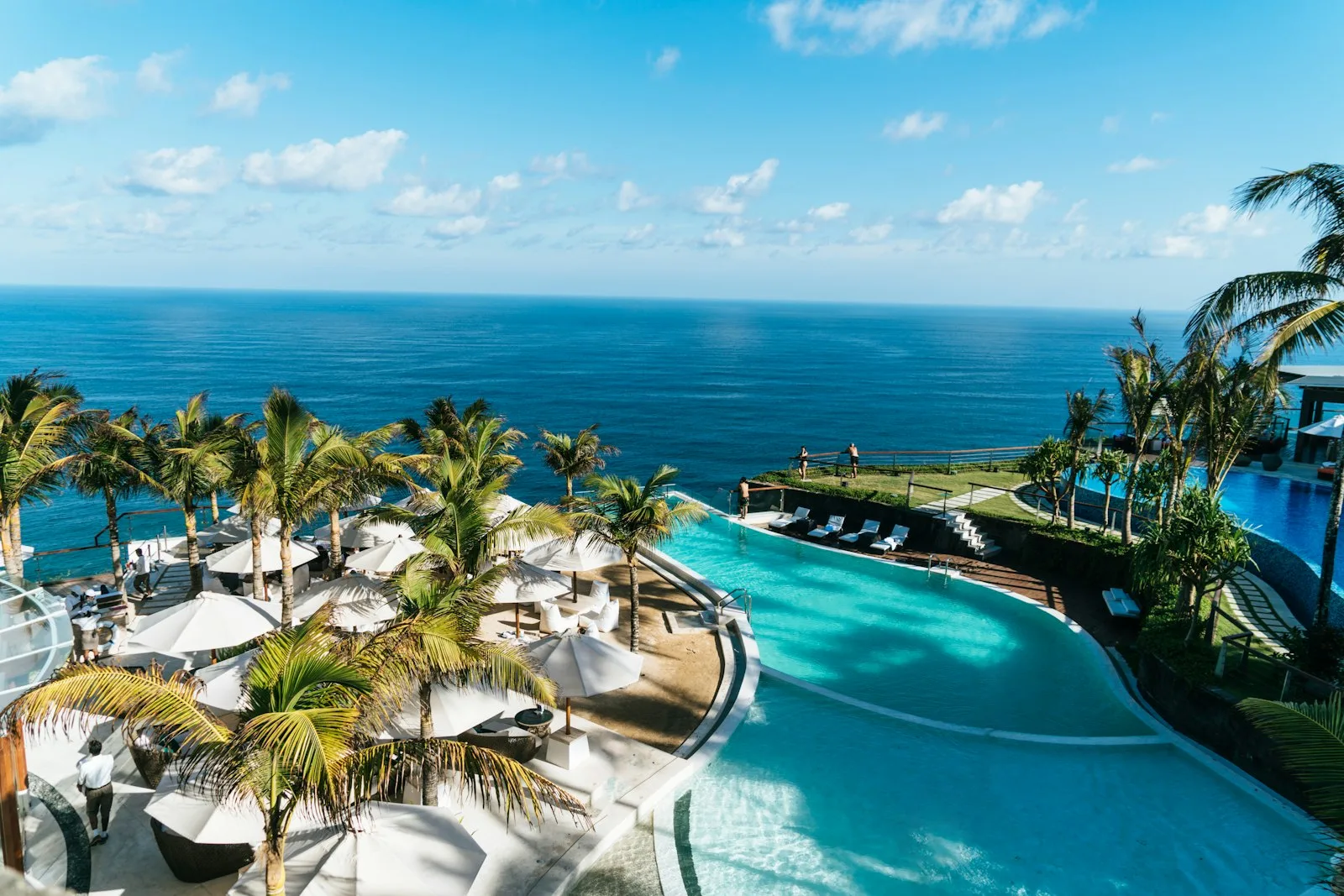
Bangkok has emerged as mainland Southeast Asia's afro house anchor. Three structural reasons.
The DHT collective. Deep House Thailand programmed Bangkok's first dedicated afro house event in 2023, formalised the collective in 2024, and has been running regular afro house, afro deep, and afro tech bookings every week since. The DHT roster - BYAS, Dennis Gold, and Berry - all play afro house regularly, often as the centre of their sets rather than a peak-time accent. Siggi (Bali-based, founding circle) sits in the afro tribal organic lane.
The Afro House Thailand Spotify playlist. One of the few SE Asia-curated afro house playlists with weekly updates. International names (Black Coffee, Caiiro, Themba, &ME, Da Capo) alongside Bangkok-based selectors and emerging Thai producers.
Geographic position. Bangkok is the air hub for Southeast Asia. International afro house DJs heading to Bali, Phuket, or Koh Phangan typically route through Bangkok, and DHT has the infrastructure to host them when they do. Stream Afro House Thailand.
For the Bangkok-specific scene map, see our Afro House Bangkok 2026 guide. For where to actually hear it live, see underground house clubs and rooftop house parties.
The Afro House Thailand Spotify Playlist
The DHT-curated entry point. Weekly updates. Mixes original South African sound with the Berlin hybrid wave and Bangkok-resident edits.
A Listening Starter Pack
Six entry points, in order of accessibility for someone new to the genre.
1. Black Coffee - Subconsciously (2021). The Grammy-winning album. Start here.
2. &ME - "The Rapture, Pt. III". The 2020s wave's defining track. Hybrid melodic afro house in its most viral form.
3. Caiiro. For deep, melodic, textural afro house. Try "The Akan" or his Mau Mau remixes.
4. Themba Boiler Room set or any festival mix. For harder, peak-time afro house.
5. Da Capo. The bridge between afro house and afro deep. Try his sets in Cape Town.
The DHT-curated Afro House Thailand Spotify playlist mixes all six lanes weekly.
Where the Genre Is Going
Afro house in 2026 sits at an inflection point. Three forces are pulling it in different directions.
Commercial mainstream pull. The Keinemusik wave has put afro-influenced melodic house on more festival main stages and TikTok algorithms than any prior moment. Some of the genre's elasticity - what makes it readable across underground and mainstream - risks getting flattened into a single radio-friendly format.
Original-scene reassertion. South African producers continue evolving the format in directions distinct from the European-leaning hybrid sound. Argento, Toman, Cuebur, and a younger generation of Johannesburg and Cape Town producers are pushing afro house deeper, slower, and stranger. The mainstream wave is making it easier for the original scene to be heard, even as the formats diverge.
Geographic broadening. Bangkok, Bali, Lisbon, Mexico City, Singapore, Tel Aviv have all activated afro house programming in the last 24 months. The genre is becoming truly global, and each new geographic centre brings its own subtle inflection.
Best guess for 2027-2028: continued global growth, increasing genre splintering (afro tech vs. melodic afro vs. afro deep vs. South African house), a stronger return of South African originator voices to the international circuit, and Southeast Asia consolidating as a third centre of gravity alongside South Africa and Berlin.
Listen, Then Come Dance
Reading about afro house only gets you so far. The genre is built for shared physical space - the polyrhythms work because dozens of bodies pick up different rhythmic threads at the same time. The Spotify playlist is the closest digital approximation, but the real point is the dance floor.
Plug into the next live opportunity:
FAQ
What is afro house in the simplest terms?
Afro house is a subgenre of house music originating in South Africa in the early 2000s. It pairs the 4/4 house kick with traditional African percussion, organic instrumentation, BPMs of 118-125, and soulful or chant vocals - built for long, hypnotic groove rather than peak-time energy.
Is afro house the same as afrobeats?
No. Afrobeats is West African (mostly Nigerian) vocal pop - Wizkid, Burna Boy, Davido, Tems, Rema. Afro house is South African electronic dance music - DJ-mix territory, instrumental-led, 118-125 BPM, designed for long club sets. They occasionally collaborate but are sonically and structurally different genres.
Who started afro house?
Afro house emerged from Johannesburg, Cape Town, and Durban in the early 2000s through artists and labels including Black Coffee (Soulistic Music), House Afrika, Soul Candi, Da Capo, Culoe De Song, Themba, and Caiiro. Black Coffee became the genre's global face through international touring from 2010 onwards and won a Grammy in 2022.
What BPM is afro house?
118 to 125 BPM. The slower-than-tech-house tempo gives polyrhythmic percussion space to breathe. Tracks often run 7-10 minutes and build groove gradually rather than dropping to peak-time energy.
Who are the biggest afro house artists right now?
As of 2026 - Black Coffee, &ME, Rampa, Adam Port (Keinemusik), Themba, Caiiro, Da Capo, Culoe De Song, Argy, Sparrow & Barbossa, AYYBO. The Keinemusik label is the dominant commercial wave; the original South African scene continues evolving in parallel.
Where can I hear afro house in Bangkok?
DHT programs afro house regularly across APT 101, Baccarat Bangkok, Beam, Mustache, and rooftop and pool venues. The Afro House Thailand Spotify playlist captures the local sound, and the DHT events page will show the next confirmed date.
Read Next